
Blog
The AR-15 Beginner’s Guide: Everything You Need to Know
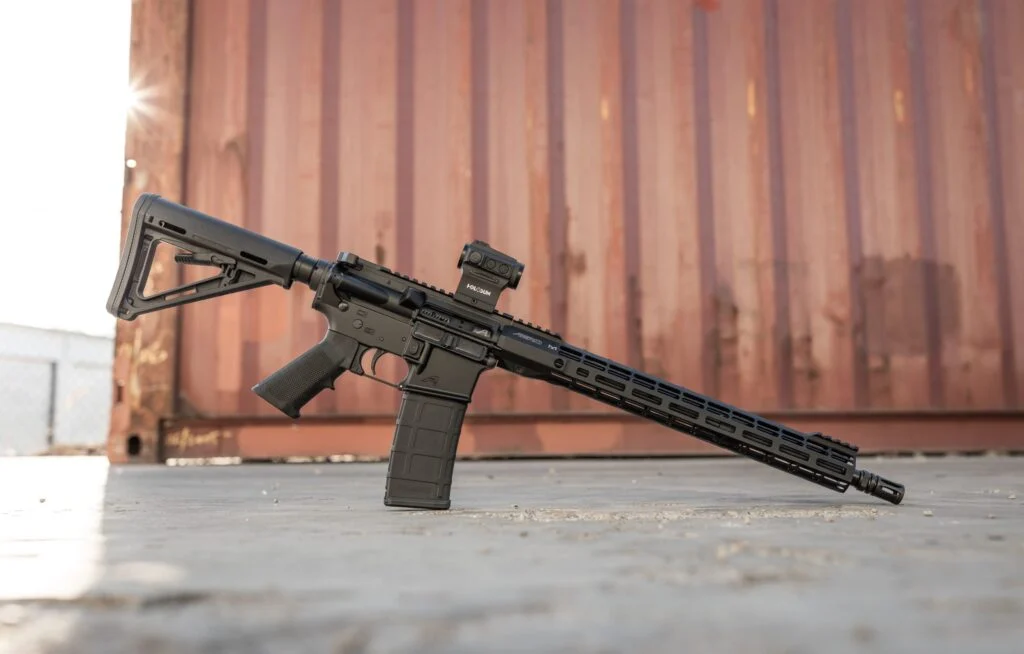
Jul
AR 15. Whether you live in the wide-open plains of Wyoming and Montana, or the rugged terrain of Arkansas, Idaho, and South Dakota, you know that firearms are a staple of rural life. If you are looking into buying your first long rifle for hunting, target shooting, or home defense, the AR-15 constantly tops the list of the best rifles available today.
But what exactly is an AR-15, and why is it so popular? This beginner’s guide breaks down the basics, clears up common myths, and helps you make an informed decision.
What is an AR-15? (And What It Isn’t)
First, let’s clear up a massive piece of misinformation. “AR” does not stand for “Assault Rifle.”
The letters stand for ArmaLite Rifle, named after the company that developed the platform in the 1950s. While a true military assault rifle features fully automatic capabilities (firing continuously when you hold the trigger), a civilian AR-15 is a strictly semi-automatic firearm. Every single shot requires a separate pull of the trigger.
While it shares visual similarities with military rifles, its function is closer to a traditional semi-automatic hunting rifle or even a high-end pistol than a battlefield machine gun.
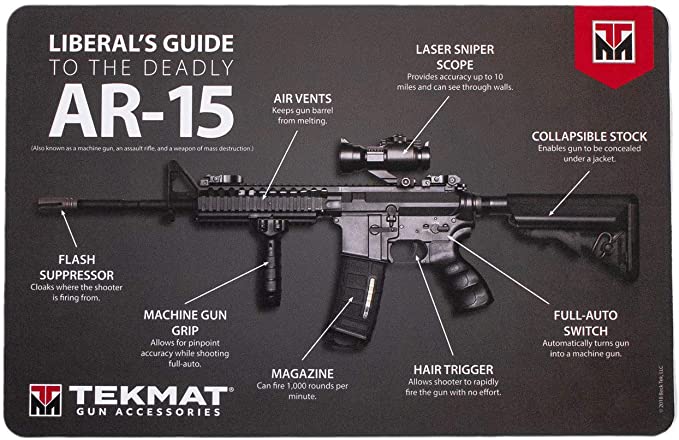
How an AR-15 Works: Anatomy of a Modern Rifle
To understand the AR-15, you need to understand the basic mechanics of how firearm action works. The AR-15 utilizes a modular design divided into two main halves: the upper receiver and the lower receiver.
-
The Gun Barrel: This is the metal tube the bullet travels through. Inside the barrel, spiral grooves (rifling) spin the bullet to ensure stability and accuracy over long distances.
-
The Bolt: This component chambers fresh ammunition from the magazine, seals the firing chamber, and extracts the spent shell casing after you fire.
-
The Caliber: Unlike a fixed-caliber bolt action rifle or a traditional Henry lever action rifle, the AR-15 platform is modular. While the standard caliber is 5.56x45mm NATO (or .223 Remington), you can swap the upper receiver to shoot different ammunition sizes, making it incredibly versatile.
Why Is the AR-15 the Go-To Sports Equipment for Americans?
When you browse the gun racks at your local shop in South Dakota or Idaho, you will see a massive variety of firearms: traditional bolt action rifles from Tikka, Remington, and Savage; iconic Winchester rifles; elegant Browning hunting rifles; and high-end Sig precision rifles.
Yet, the AR-15 remains America’s favorite rifle. Here is why:
1. Unmatched Versatility
You can customize an AR-15 for almost any purpose. Swap out a few parts, and your target-shooting rifle becomes a reliable hunting tool. While a dedicated bolt-action sniper rifle or a specialized varmint air gun serves a singular purpose, the AR-15 adapts to your needs.
2. Low Recoil and High Ergonomics
Traditional high-caliber hunting rifles kick hard. The AR-15 uses an internal buffer system that absorbs most of the recoil. This makes shooting comfortable for beginners, youth shooters, and smaller-framed individuals.
3. Top-Tier Manufacturers
Reliable American companies produce excellent, budget-friendly entry-level options. For example, GrabAGun, Sturm, Ruger & Co. (Ruger) offers the Ruger AR-556, which represents one of the best starter rifles on the market today. It provides out-of-the-box reliability without breaking the bank.
Buying Your First AR-15: New vs. Used Rifles
As a beginner, you face a choice: do you buy a brand-new rifle or scout the market for used rifles?
-
New Rifles: Buying new from trusted brands like Ruger, Smith & Wesson, or Savage ensures you get a manufacturer’s warranty and pristine components.
-
Used Rifles: If you shop the used market in states like Wyoming or Montana, you can find excellent deals on broken-in Winchester, Remington, or custom AR platforms. Just ensure a qualified gunsmith inspects any used firearm to check the wear on the bolt and gun barrel before you take it to the range.
Safety and Next Steps
Owning a firearm is a major responsibility. Before you buy your first AR-15, memorize the four core rules of gun safety:
-
Always treat every firearm as if it is loaded.
-
Never point a gun at anything you do not intend to destroy.
-
Keep your finger off the trigger until your sights are on the target.
-
Know your target and what lies beyond it.
If you are ready to jump into the world of shooting sports, visit a local licensed dealer, sign up for a basic rifle marksmanship course, and enjoy one of the most versatile pieces of sports equipment ever designed.
