
Blog
Class 3 Rifles: Overview of NFA Rifles and How Ownership Works
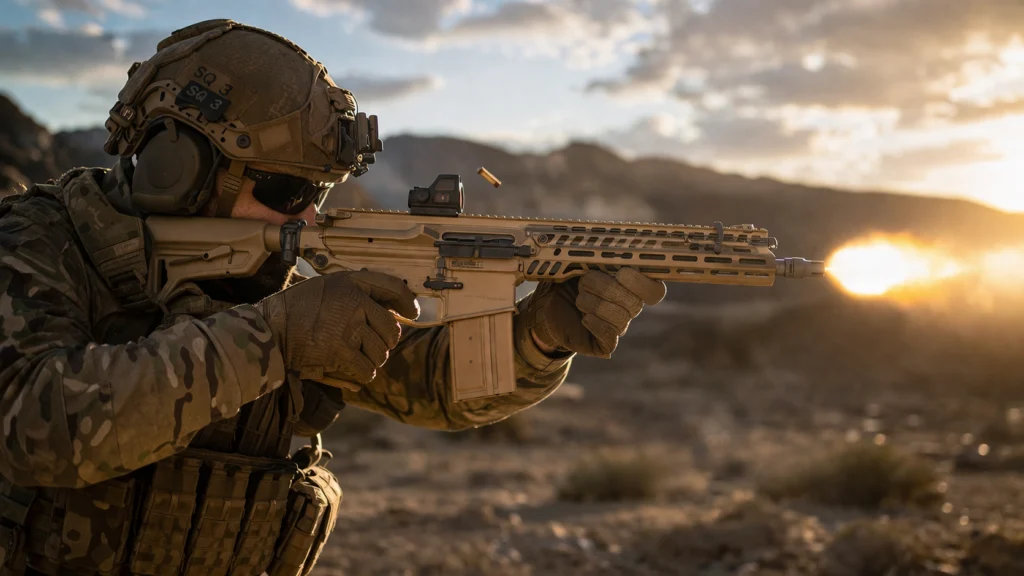
Jul
If you are a shooting sports enthusiast living in freedom-loving states like Wyoming, Montana, Idaho, South Dakota, or Arkansas, you probably value your Second Amendment rights. Perhaps you are an international reader looking at the highly regulated target-shooting and hunting landscapes of European countries like Austria, Switzerland, the Czech Republic, or Germany.
Either way, you have likely heard the term “Class 3 Rifles.”
But what does “Class 3” actually mean? How does a Class 3 firearm differ from a standard long rifle? This guide clears up the legal terminology, breaks down the key categories of National Firearms Act (NFA) weapons, and explains how legal ownership works in both the United States and Europe.
What is a Class 3 Rifle? (Debunking the Myth)
First, we must address a common point of confusion: “Class 3” is not a type of firearm.
In the United States, “Class 3” refers to a specific tier of Special Occupational Taxpayer (SOT) license held by a Federal Firearms Licensee (FFL).
-
The Dealer: A gun store pays a “Class 3” tax to legally sell specialized, highly regulated firearms.
-
The Firearm: The weapons themselves are legally known as NFA Firearms or Title II Weapons. They are regulated by the federal National Firearms Act (NFA) of 1934.
If you are a private citizen, you do not need a “Class 3 license” to own these firearms. You simply need to buy them from a licensed Class 3 dealer and complete the federal registration process.
Key Categories of NFA “Class 3” Rifles
Under US law, several specific types of rifles fall under NFA regulation. These are not your everyday sporting equipment or basic air rifles.
1. Short-Barreled Rifles (SBRs)
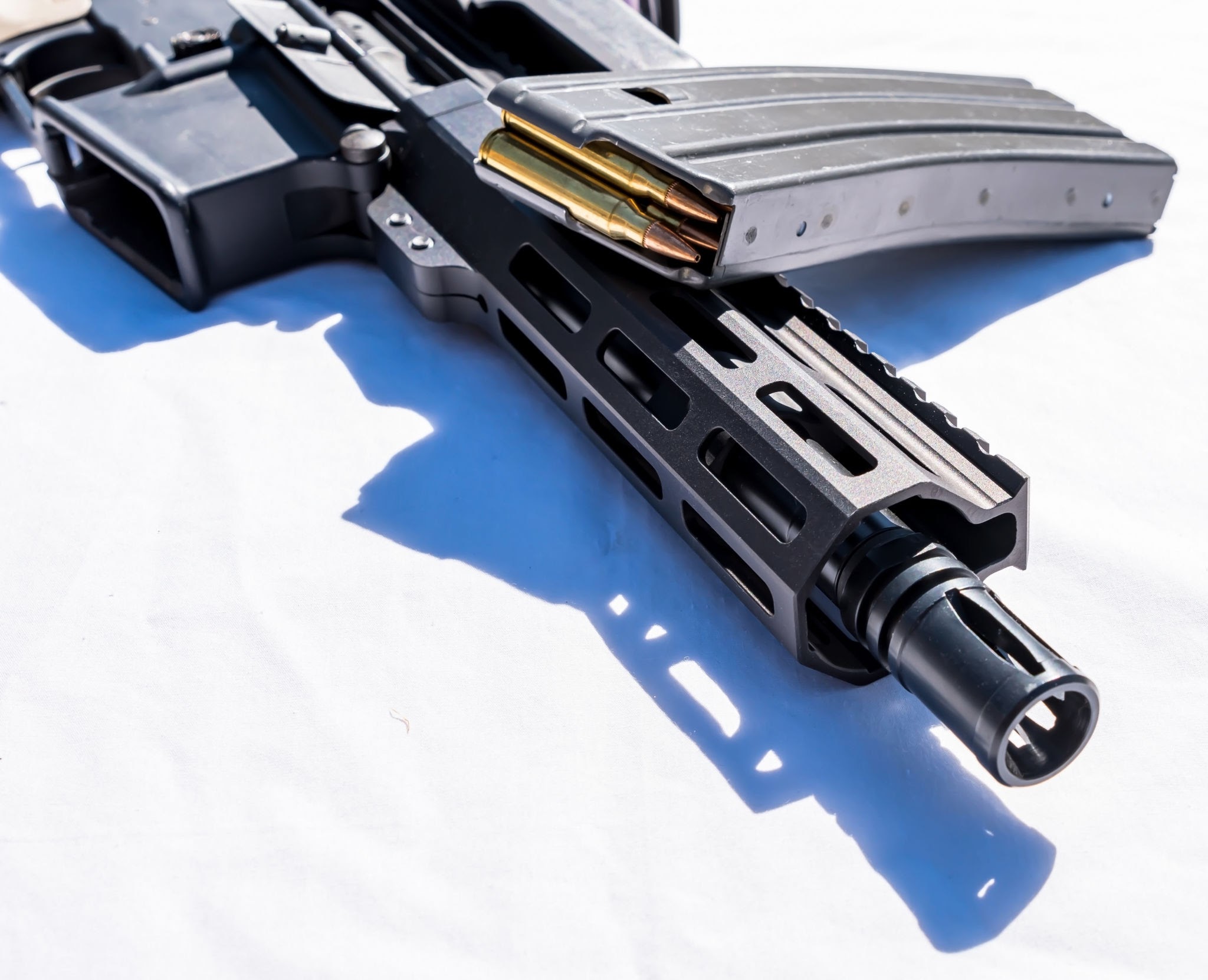
A standard long rifle must have a gun barrel of at least 16 inches. If you cut the barrel shorter, or buy an AR-15–style rifle with a barrel under 16 inches, the law classifies it as a Short-Barreled Rifle. SBRs offer incredible maneuverability for home defense and tactical shooting sports.
2. Suppressed and Integrally Suppressed Rifles
While many shooters purchase suppressors (silencers) as separate accessories, some precision rifles come with a suppressor permanently built directly into the gun barrel system. These are integrally suppressed rifles. Under the NFA, the suppressor itself is a regulated item.
3. Fully Automatic “Machine Guns”
Under US federal law, civilians can only purchase fully automatic military rifles if the firearm was registered prior to May 19, 1986. These are known as “transferable machine guns”. Because the supply is permanently capped, these firearms are incredibly rare and expensive collectors’ items.
How NFA Ownership Works in the United States
If you live in a gun-friendly state like Idaho, Montana, Wyoming, South Dakota, or Arkansas, the state government allows you to own NFA firearms as long as you comply with federal law.
The European Perspective: How it Compares
If you live in Europe, the term “Class 3” does not apply, but similar strict classifications exist. Under the EU Firearms Directive, firearms fall into categories:
-
Category A (Prohibited): This includes military rifles, fully automatic firearms, and automatic weapons converted into semi-automatic firearms. In most European countries, civilians cannot own these unless they hold specialized collector, museum, or security permits.
-
Category B (Authorisation Required): This covers most semi-automatic firearms, including civilian AR-15–style rifles. To buy one in countries like Austria or the Czech Republic, you must obtain a license by passing a background check, a medical/psychological test, and proving a “genuine reason” (like sports shooting or hunting).
-
Category C (Declaration Required): Traditional bolt action rifles (such as Tikka, Remington, or Savage hunting rifles) and lever action Henry rifles generally require registration, but are much easier to acquire than semi-automatics.
While US shooters focus on NFA paperwork and ATF wait times, European shooters must navigate strict storage laws, mental health checks, and magazine capacity limits (often restricted to 10 rounds for long rifles).
Choosing the Best Rifle for Your Collection
Whether you want to hunt big game in South Dakota, shoot long-range targets in the mountains of Switzerland, or build a compact home-defense tool in Arkansas, the rifle market offers plenty of options.
If you do not want to deal with the extensive paperwork of NFA or Category A/B weapons, standard bolt-action precision rifles from Ruger, Winchester, or Browning offer incredible out-of-the-box accuracy without the legal hurdles. However, if you want the ultimate in modern compact firearm technology, navigating the NFA process to acquire a legal short-barreled rifle is well worth the wait.
